The short answer
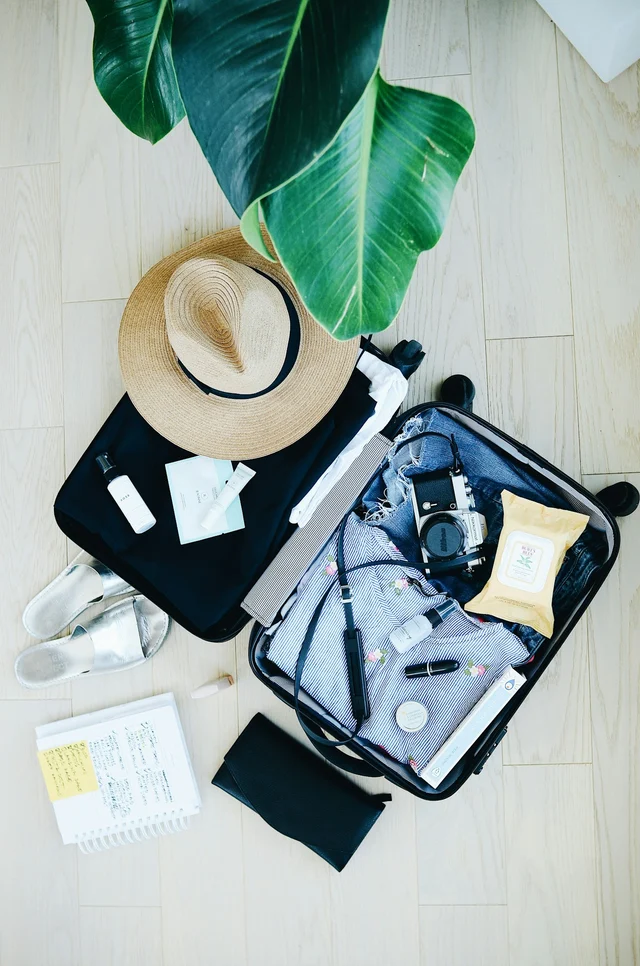
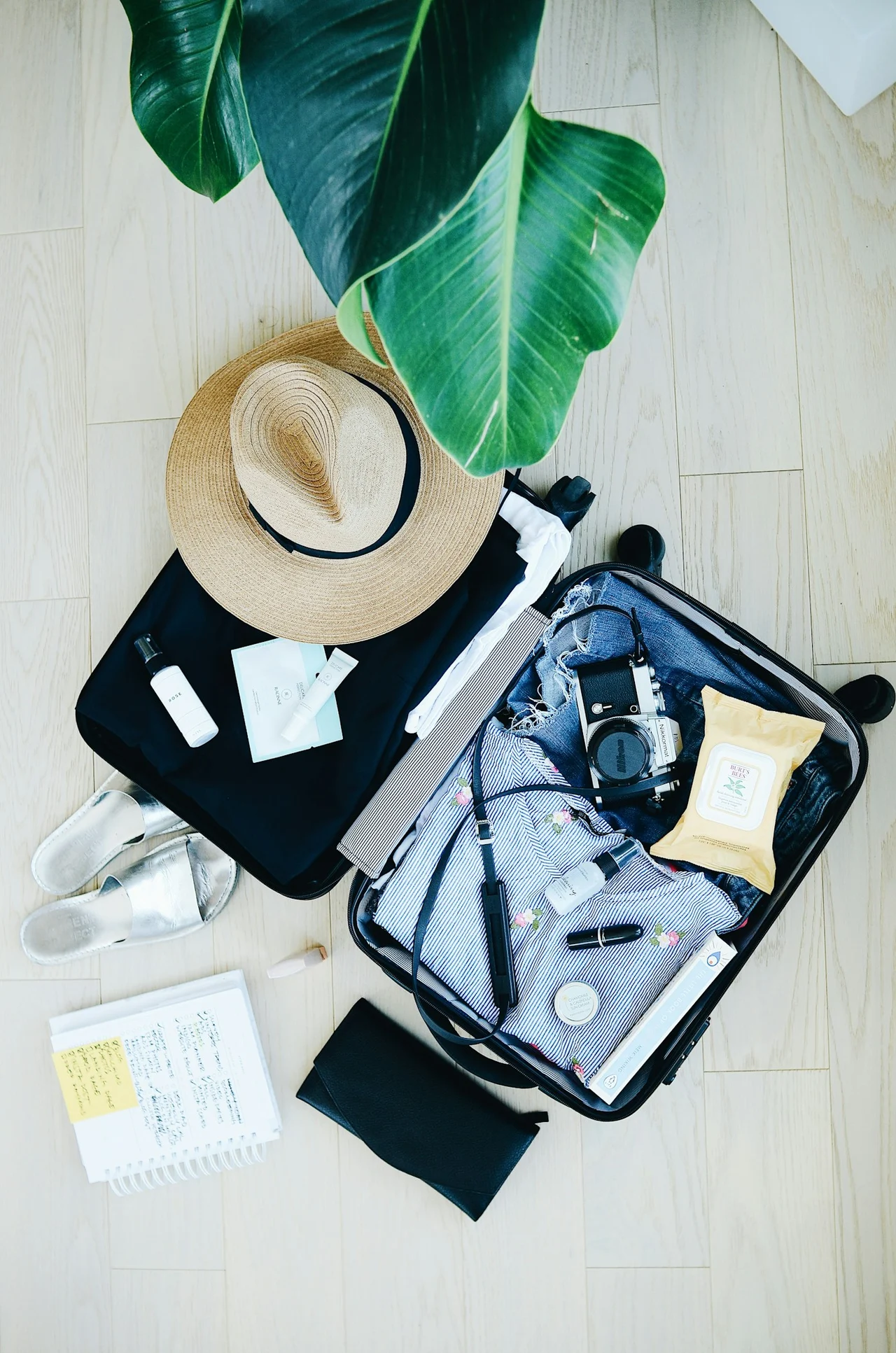
Pack for the itinerary you booked, not an imagined worst-case trip: use adaptable layers and rain protection, choose footwear around planned activities, and split items between a bag you keep with you and checked luggage. The grouped checklist below separates travel-day essentials, a port-day bag and checked-bag items you can wait for. Check the forecast, excursion instructions, airline rules and your own cruise line’s current packing rules before departure.
In this guide
- How should I build an Alaska cruise packing list?
- Which clothing layers make sense for Southeast Alaska?
- What should change for different excursion types?
- What belongs in the bag I keep with me?
- What should go in a port-day bag?
- Can I use this grouped checklist as I pack?
- What should I verify before closing the bags?
- Common questions
- Sources and scope
How should I build an Alaska cruise packing list?
Start with the actual trip: sailing month, ports, nights away, flights or hotel stays, and excursions you have selected. Make separate lists for travel, port days and time aboard; remove items that do not match your plans. Weather can vary across Southeast Alaska, so use the itinerary and a near-departure forecast to tune the layers rather than treating one city’s climate as a route forecast.
For a month-by-month Juneau climate reference, see best time to cruise Alaska. For the broader route decisions, use the Alaska cruise planning guide.
Use the general cruise packing guide for the rest of the trip
Sources [2]
Which clothing layers make sense for Southeast Alaska?
Think in pieces you can add or remove: a comfortable base layer, a warm mid-layer and a waterproof hooded shell suited to your planned time outside. The Juneau NWS office recommends warm-when-wet clothing, layering and waterproof outerwear; its guidance is local advice, not a guarantee of conditions in every port. For optional additions, consider a warm hat and gloves; rain pants for an extended wet excursion; and socks and well-worn footwear with traction appropriate to the operator’s activity instructions. Pack according to your plans and forecast rather than buying every item on a generic list.
A cruise-line packing article also recommends checking the forecast and bringing heavier outerwear for Alaska. Treat onboard dress and venue rules as line-specific; confirm them with your operator.
- Choose adaptable layers you can combine rather than one bulky outfit.
- Put the shell where you can reach it on port mornings.
- For a long wet outing, consider rain pants; for outdoor walking, use socks and well-worn footwear with traction appropriate to the activity.
- Use the forecast close to departure to adjust quantities; a hat, gloves or binoculars can be useful optional choices depending on your plans.
What should change for different excursion types?
Choose shoes and extras from the activity description, not from a generic Alaska list. Comfortable, already-worn footwear with traction appropriate to the activity, and socks you have tested with it, are practical considerations for an outdoor day. Confirm any clothing or equipment requirement with the excursion operator; do not assume gear is supplied. Optional binoculars can be useful for scenic viewing, but are not essential. These are planning prompts, not a judgment about whether an activity is suitable for a particular person.
Scroll sideways if you need to see more columns.
| Plan | Consider packing | Check before you go |
|---|---|---|
| Town walking or indoor stops | Comfortable, worn-in walking shoes, socks, a light layer, waterproof shell | Expected walking and weather for that port |
| Boat or scenic outing | Warm layer, outer shell, camera/phone protection if useful | Operator’s clothing/equipment guidance and meeting point |
| Nature trail or active excursion | Activity-matched, worn-in footwear and socks; rain pants for an extended wet outing if useful | Operator’s terrain, equipment and clothing instructions |
What belongs in the bag I keep with me?
Keep travel documents and the personal essentials you may need before a checked bag reaches your stateroom with you. Princess notes that checked luggage can be delivered after boarding; that is a line-published example, so check your own line’s process. Stateroom access and checked-bag delivery are separate events: do not put something you need soon after boarding into a bag you cannot access.
- Travel documents and booking details required for your trip.
- Regularly used medicines and personal essentials you need during travel; follow your own clinician’s and the relevant authorities’ instructions.
- Phone and charging cable, plus a change of clothes or other immediate need if useful for your arrival plan.
Sources [3]
What should go in a port-day bag?
Pack for the hours ashore and for reboarding: carry the cruise card or other items your line requires, any identification or documents your itinerary requires, and the layers or rain protection that fit the day’s forecast. Recheck the ship’s all-aboard information and leave enough time to return; requirements and port arrangements can differ. Keep valuables and personal items to the amount you actually want to carry.
- Line-required reboarding item(s) and itinerary-required identification/documents.
- Weather layer and rain protection; consider sunglasses and sun protection for time outside.
- Water, a small personal essentials kit, and phone/camera if you plan to use them.
- Excursion confirmation and meeting details when booked independently.
Sources [2]
Can I use this grouped checklist as I pack?
Check only items that fit your trip. The first group stays with you during travel; the second is for a port day; the final group is for nonessential permitted items you can wait for until your checked bag arrives. Cabin access does not mean your checked bag has been delivered. Confirm restricted items and baggage rules with your cruise line and airline rather than relying on a generic list.
What should I verify before closing the bags?
Check four separate sources: the current forecast for your ports, the excursion operator’s instructions, your airline’s baggage policy and your cruise line’s current packing or restricted-item guidance. These policies can change and are not interchangeable. This guide does not list permitted or prohibited items; use the rules that apply to your actual carrier and sailing.
- Compare forecast and itinerary close to departure.
- Read the line’s current documents for baggage delivery, boarding and restricted items.
- Check airline dimensions, weight and carry-on rules for each flight.
- Confirm footwear, equipment and meeting instructions for each booked activity.
Common questions
Do I need a heavy winter coat for an Alaska cruise?
Not automatically. Use a flexible layer system and your planned activities; NWS Juneau recommends warm-when-wet layers and a waterproof hooded jacket, while the forecast near departure should guide how warm the pieces need to be.
Sources [2]
Should I put medicines in checked luggage?
Keep regularly used medicines and personal essentials you may need during travel with you, and follow the instructions from your clinician, airline and relevant authorities. This packing guide does not give medical or import advice.
Sources [3]
What shoes should I bring?
Start with comfortable shoes for the walking you expect. Add activity-specific footwear only when your excursion plans call for it, and confirm requirements with the operator; Princess’s own list distinguishes walking shoes, sneakers and hiking shoes by activity.
Sources [3]
Is checked luggage available as soon as I enter my stateroom?
Do not assume so. Princess says checked luggage can arrive after boarding, and cabin access and bag delivery are separate. Keep immediate needs in the bag you retain and verify your own line’s process.
Sources [3]
Sources and scope
Check the current terms for your ship, sailing and booking. This guide combines published source material with planning suggestions; it does not claim firsthand travel experience.
- Summary of Monthly Normals: Juneau International Airport, 1991–2020Source checked 2026-10-21.
Monthly average daily high/low temperatures, mean temperatures, precipitation totals and wet-day counts for the Juneau International Airport station, generated 2026-10-20. This is a 1991–2020 station normal, not a forecast or a full-route climate summary.
- WFO Juneau’s Local Area InformationSource checked 2026-10-21.
NWS describes broad precipitation variation across Southeast Alaska, generally wetter fall/winter and a late-spring/early-summer relative dry season, June–August as warmest, and Juneau solstice daylight durations. Also gives Juneau-specific warm-when-wet layering guidance. Does not establish weather for a particular sailing or every port.
- A Comprehensive Cruise Packing ListSource checked 2026-10-21.
Princess-published packing examples: layers and heavier outerwear for Alaska, check forecast, walking shoes, sneakers for active excursions, and hiking shoes for nature/adventure itineraries. Line-specific dress and venue guidance is not generalized as universal policy.
- How to Plan the Best Alaska CruiseSource checked 2026-10-21.
Official Alaska Travel Industry Association tourism page describes the main cruise season as May–September and says many lines add shoulder-season itineraries in April and October; it also states routes vary by line and trip length. This is destination-level seasonal context, not proof that a specific line or dated sailing is available. Its sunny-month and whale-watching language is not used here.