The short answer
Choose a round-trip cruise if returning to the same departure city simplifies your flights and vacation plan. Consider a one-way route if you want to connect a coastal cruise with a land trip or finish in a different region. One-way does not automatically mean better scenery or higher cost: compare the exact ports, dates, airfare, transfers, hotels and land-tour arrangements together. Alaska cruise lines offer both patterns, but routes and availability vary by sailing.
In this guide
Know what “one-way” changes
A round-trip cruise starts and ends in the same port, such as a Seattle or Vancouver sailing that returns to its origin. A one-way cruise begins in one port and ends in another. Travel Alaska describes longer routes that cross the Gulf and finish around Anchorage, Seward or Whittier; some packages combine the cruise with a land tour. For example, Princess’s 2027 brochure separates its one-way Voyage of the Glaciers itineraries from its round-trip Inside Passage options.
The route label is only the start of the comparison. Two cruises with different endpoints may also differ in nights, ports, scenic cruising, ship and included land days. Check the dated itinerary for each sailing, including port order and transfer arrangements. A line can change itinerary content by departure, so do not compare using only the route name.
Scroll sideways if you need to see more columns.
| Question | Round-trip | One-way |
|---|---|---|
| Flight planning | Cruise begins and ends in the same port. | Cruise begins and ends in different ports. |
| Land days | Consider what you can add around the departure city. | Consider how you will connect the cruise with a land itinerary. |
| Full cost | Add flights, hotels, transfers and excursions. | Add those same costs, including any extra land arrangements. |
| Scenery | Check the listed scenic cruising and ports. | Check the listed scenic cruising and ports; one-way alone is no guarantee of better views. |
Compare flights and getting to the ship
For a round-trip sailing, price travel to and from the same city. For a one-way cruise, price flights to the embarkation city and home from the disembarkation region, or include the transport needed to return to your starting point. Check available airport pairs, flight times, baggage charges, seat terms and the cost of any connecting journey. Airfares and schedules vary, so use current quotes for your dates rather than assuming an open-jaw ticket is cheaper or more expensive.
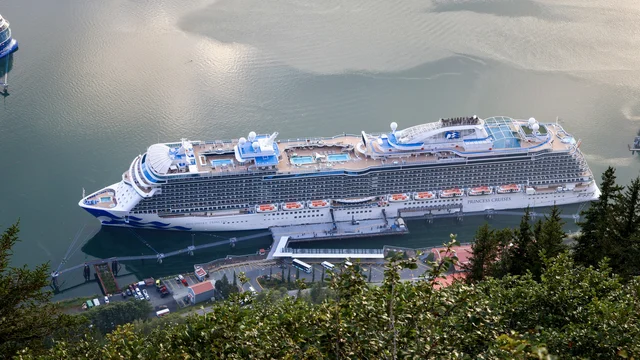
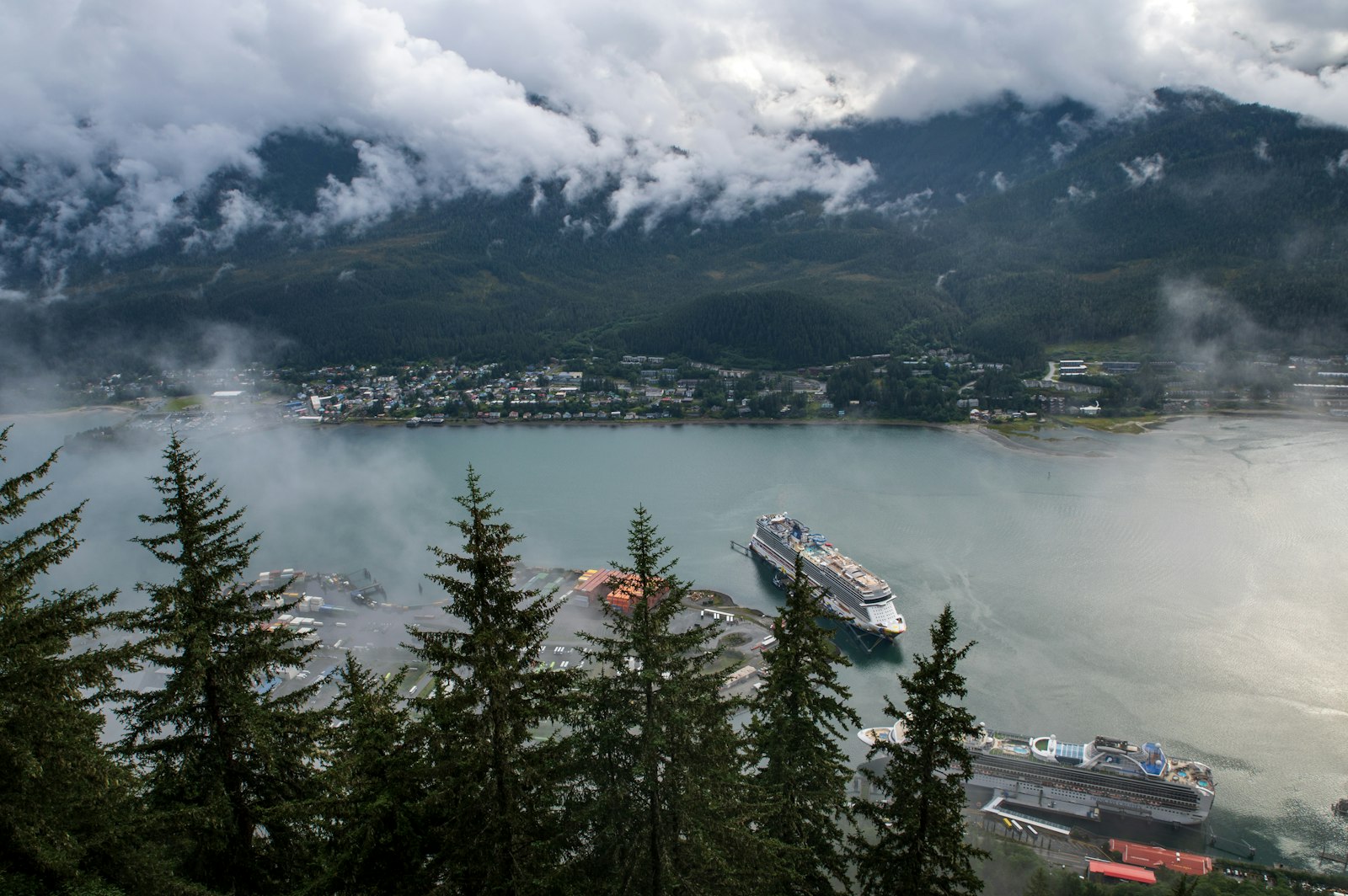
Add the transfer between the airport, hotel and cruise terminal at both ends. A cruise port may be outside the city or in another community, so confirm where your ship actually docks and how the line or independent transport reaches it. If a land tour is bundled, see which hotel nights and transfers are included before adding costs; avoid counting the same item twice.
- Airfare to the embarkation city and from the disembarkation region
- Airport-to-port transfers at both ends
- Hotel nights needed to fit the flight and sailing schedule
- Baggage charges and connecting transport
Decide whether you want land days
A one-way route can make it easier to add time inland after or before the cruise, but the land portion is a separate plan with its own transport, nights and schedule. Royal Caribbean, for example, lists pre- and post-cruise land tours connected to Vancouver and Seward. That example shows one operator’s offer; it does not mean every one-way sailing includes a tour or that a tour is the right fit for every traveler.
Ask how much time you want ashore and how much movement you are comfortable with. A packaged cruise tour may coordinate parts of the trip, while independent travel can allow different stops but requires you to arrange them. Compare the daily pace, transfer lengths, walking and time at each stop. Verify the current details and what the fare includes before choosing a package.
Compare the actual ports and scenic days
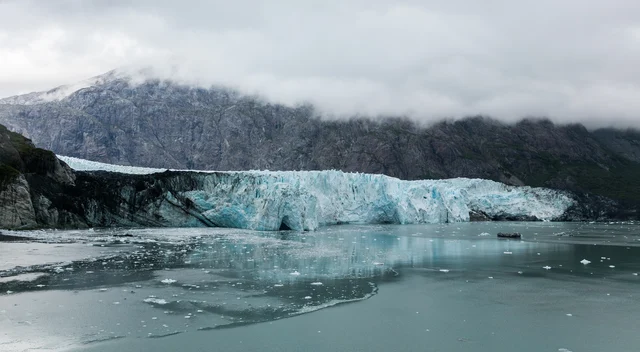
Look past direction to what each itinerary visits. Compare port names, time in port, scenic cruising, glacier-viewing days and the excursions available on your dates. Travel Alaska describes Inside Passage cruises as often seven to ten days, while longer routes may cross the Gulf. Princess’s brochure gives examples of route-specific glacier and port combinations. Those examples are not identical across all operators or dates.
If a particular community, glacier or tour is important, confirm that it appears on the exact sailing and check any itinerary-change note. Direction alone does not tell you how much time you will have ashore or what the ship will visit. A route map and day-by-day schedule answer those questions more reliably than a general “northbound” or “southbound” label.
- Ports and hours in port
- Scenic cruising and glacier-viewing days
- Excursions available for those exact dates
- Port-order or itinerary-change notes
Build a like-for-like trip total
Put each option in its own column and add the same categories: cruise fare and required charges, flights, airport and port transfers, hotel nights, land-tour price, meals outside the cruise and any extra travel day. Record what is already bundled so that you do not add it again. Do not use an advertised cruise fare as a stand-in for the full vacation cost.
Then consider convenience and pace alongside the total. A round-trip route may make travel simpler if you want a cruise-focused vacation with one arrival city. A one-way route may fit better if you want to continue overland or see another region. The right choice is the one whose itinerary and logistics fit your trip; no route type is automatically cheaper or more scenic.
- Cruise fare and required charges
- Flights into and out of different cities
- Transfers, hotel nights and added travel days
- Land-tour inclusions and exclusions
- Itinerary, port time and pace
Common questions
Are one-way Alaska cruises more expensive than round-trip cruises?
There is no universal price rule. Cruise fares vary by sailing, and a one-way trip may have different flight, transfer and hotel costs. Compare current quotes for the complete vacation, including what each package already includes.
Do one-way Alaska cruises include a land tour?
Some cruise-tour offers add land days, while a one-way cruise by itself may not. Check the exact fare and package description for your sailing, including hotel nights, transfers and what is optional.
Sources and scope
Check the current terms for your ship, sailing and booking. This guide combines published source material with planning suggestions; it does not claim firsthand travel experience.
- Getting to & Around Alaska by CruiseSource checked 2026-11-17.
Inside Passage sailings generally run seven to ten days and often start Seattle or Vancouver; longer routes can cross the Gulf and end near Anchorage, Seward, or Whittier.
- 2027 Alaska by PrincessSource checked 2026-11-17.
Princess distinguishes one-way Voyage of the Glaciers from round-trip Inside Passage examples, and lists route-dependent ports and glacier viewing.
- Alaskan Cruise Vacations: 2027–2028 Itineraries — Royal CaribbeanSource checked 2026-11-17.
Royal Caribbean displays examples of round-trip Seattle/Vancouver sailings and Vancouver/Seward cruise-tour combinations; schedule windows vary by itinerary.