The short answer
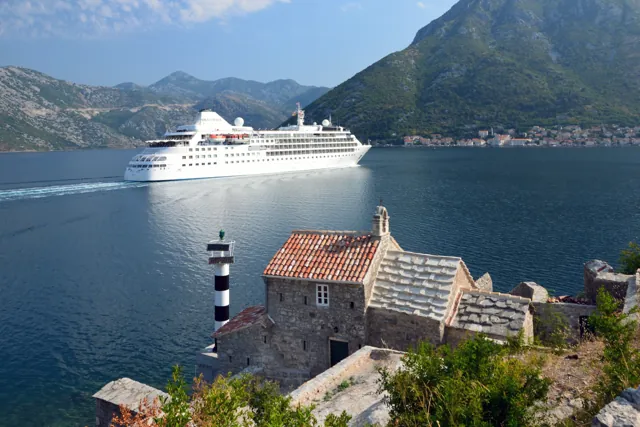
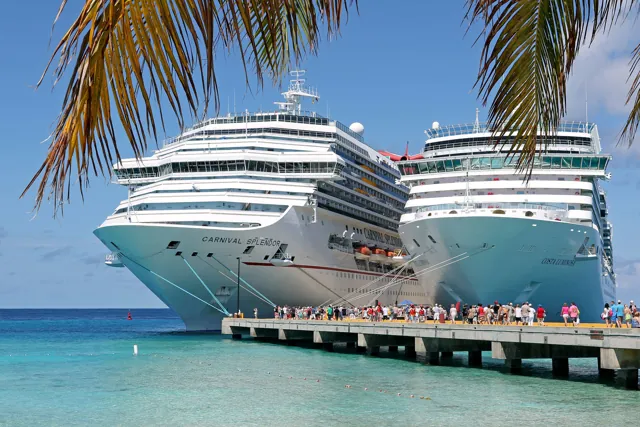
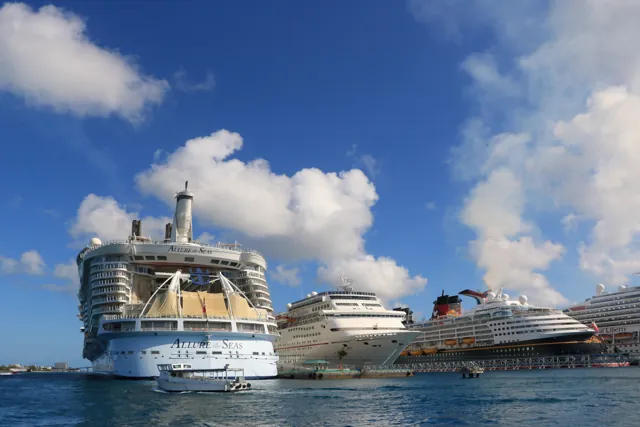
A smaller ship can offer a more limited set of venues and a different itinerary scale; a megaship can put many dining and activity options on board. Neither scale guarantees a quieter, less crowded or better trip. Compare named ships, their actual itineraries, passenger capacity, included fare and the activities you would use. For example, Windstar lists Star Pride at 312 guests, while Royal Caribbean describes Icon of the Seas as able to hold up to 7,600; those figures show a scale contrast, not how crowded either sailing will feel.
In this guide
Compare named ships, not labels alone
“Small ship” and “megaship” are broad descriptions, not a complete promise about the route, service or atmosphere. Windstar identifies Star Pride as a 312-guest all-suite yacht with a named set of dining and public spaces. Royal Caribbean’s Icon of the Seas material gives a maximum guest capacity of 7,600 and promotes a large collection of neighborhoods, activities and dining choices. Capacity bases and room products differ, so use the figures as scale markers rather than a direct value comparison.
A smaller guest count does not establish that a sailing will feel quiet or uncrowded, and a long list of venues does not guarantee short waits or that every option will be open. Check a current ship map and schedule. For an overview of what is included versus extra, use the cruise fare checklist; for budget, see what a cruise costs overall.
Scroll sideways if you need to see more columns.
| What to compare | Windstar Star Pride example | Royal Caribbean Icon example | Question for your sailing |
|---|---|---|---|
| Guest scale | 312 guests, according to Windstar | Maximum capacity listed as 7,600 by Royal Caribbean | What capacity figure is being quoted, and for which ship? |
| Onboard choice | Windstar lists spaces including Amphora, Candles, Yacht Club Café, bars, spa and watersports platform | Royal Caribbean lists more than 20 dining choices and multiple neighborhoods/activities | Which named venues would you actually use, and are they open on your dates? |
| Itinerary fit | Check the current Star Pride sailing page for route and ports | Icon’s U.S. page lists seven-night Caribbean examples from Miami | Which ports and sea days matter more than ship size? |
| Fare basis | Review the current quote and what it includes | Review the current quote and what it includes | Compare identical guest count, dates, cabin type, taxes and extras |
Decide how much onboard choice you want
If choosing among pools, shows, restaurants and activity areas is a major part of the vacation, look at the named venues on a ship such as Icon. Royal Caribbean currently describes over 20 dining options on Icon and its plan separates multiple neighborhoods and activities. Then check opening days, reservation rules, included versus paid venues and the actual daily schedule.
If your focus is a particular route, smaller public spaces or a specific style of ship, inspect the small ship’s deck plan and daily program. Windstar’s Star Pride materials name its dining and public areas; a different small ship will have a different mix. Compare what is on offer with how many sea days you have, rather than assuming that a smaller ship must have nothing to do or that a larger ship must suit every group.
- Name three onboard activities or venues that matter to you.
- Check that the named ship offers them and whether they cost extra or require reservations.
- Review how many sea days are on the itinerary and what is planned ashore.
Check route, port and access details ship by ship
The route can matter more than capacity. Royal Caribbean’s U.S. Icon of the Seas page currently shows seven-night Eastern and Western Caribbean trips with a stop at Perfect Day CocoCay. Treat these as date-specific examples, not fixed schedules; itineraries and ports can change. Compare dates, port times, sea days, embarkation port and travel costs to reach it.
Do not assume that a smaller ship calls at every small port or that a larger ship cannot visit a particular destination. Port access depends on the ship, berth, tender arrangements, itinerary and local operating conditions. Use the actual sailing page and port details. If a port is a must-see, confirm the itinerary and whether guests go ashore by pier or tender before booking.
Compare Caribbean route regions · Choose a cruise length · Compare cruise lines
Sources [4]
Compare total price and practical fit
A fair comparison uses the same travel dates, number of guests, cabin type and departure port. Add taxes and fees, transportation to the port, pre-cruise hotel if needed, gratuities where applicable, and activities or meals you expect to buy. A low headline fare on a different itinerary or cabin category does not show which trip costs less for your party.
Make a short decision matrix rather than trying to declare one size best. Give more weight to route, budget, daily activities, accessibility and room layout according to your group. A first-time cruiser who wants many onboard options may prefer one tradeoff; someone focused on a specific itinerary may prefer another. The right comparison is between two actual sailings you could book.
Scroll sideways if you need to see more columns.
| Factor | Sailing A | Sailing B | Weight for our group |
|---|---|---|---|
| Total trip cost including travel and likely extras | High / medium / low | ||
| Ports, port times and sea days | High / medium / low | ||
| Activities and dining we expect to use | High / medium / low | ||
| Cabin layout and accessibility needs | Must-have / preference | ||
| Cancellation and change terms | High / medium / low |
Sources [4]
Common questions
Are small cruise ships always less crowded?
No capacity number alone predicts the experience onboard. Compare the ship’s guest capacity with its layout, venues, sailing date and the specific spaces you plan to use.
Do megaships have more things to do?
Some have many named attractions and dining venues. Royal Caribbean lists more than 20 dining options for Icon of the Seas; compare actual ship schedules and charges before deciding how much choice you will use.
Sources [3]
Can smaller ships visit ports that megaships cannot?
A ship’s itinerary and port access are specific to that vessel and voyage. Confirm the named port and tender or berth arrangements on the sailing you are considering.
Sources [4]
Sources and scope
Check the current terms for your ship, sailing and booking. This guide combines published source material with planning suggestions; it does not claim firsthand travel experience.
- Star Pride Fact Sheet | Windstar CruisesSource checked 2026-10-19.
Windstar’s official Star Pride guest capacity and onboard/dining facts.
- Icon of the Seas Compared to Other Ships | Royal CaribbeanSource checked 2026-10-19.
Royal Caribbean U.S. comparison gives Icon maximum capacity, gross tonnage, decks and venue context.
- Things to Do | Icon of the Seas | Royal CaribbeanSource checked 2026-10-19.
Royal Caribbean U.S. ship page lists Icon dining options and ship-specific experiences.
- Icon of the Seas | Royal Caribbean U.S.Source checked 2026-10-19.
Current U.S. ship page shows Icon’s marketed Caribbean itinerary examples and CocoCay stop.
- Norwegian Prima Deck Plans | Norwegian Cruise LineSource checked 2026-10-19.
Example of a ship-specific large-ship deck plan and venue layout.