The short answer
Yes, you can plan a cruise without optional add-ons, but the fare is not automatically the whole trip budget. Royal Caribbean’s US terms include onboard carriage, full board and ordinary food and entertainment, while excluding internet and shore excursions. Check your own confirmation for taxes, fees and gratuities before treating the fare as your total.
In this guide
What does “no add-ons” mean for your cruise?
It can mean no beverage package, specialty-dining reservation, paid Wi-Fi package or cruise-line excursion. It does not mean every traveler’s final trip cost is just the advertised fare: airfare, lodging before or after the sailing, transfers, gratuities, taxes and port fees may be part of the wider budget or billed separately, depending on the offer and booking.
Start with the confirmation for your own ship and fare. For a US Royal Caribbean booking, the current guest terms describe cruise fare as carriage onboard, full board, and ordinary ship food and entertainment. The same terms list internet access, shore excursions and certain beverages among exclusions. This is a Royal Caribbean example, not a template for every cruise line or a guarantee that every venue or activity on a ship is included.
Use the full-price comparison guide · Compare booking timing and fare conditions
Which onboard basics might already be in the fare?
For Royal Caribbean, its current fare guide names complimentary dining in multiple venues, entertainment, activities, accommodation and selected private destinations as included fare components. It also notes that availability and pricing can vary by ship and market. The US contract uses broader language—full board, ordinary food and entertainment—so check the sailing’s own venue list for any item you particularly care about.
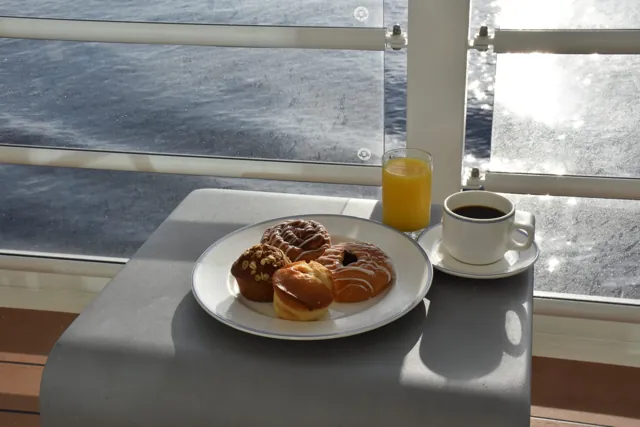
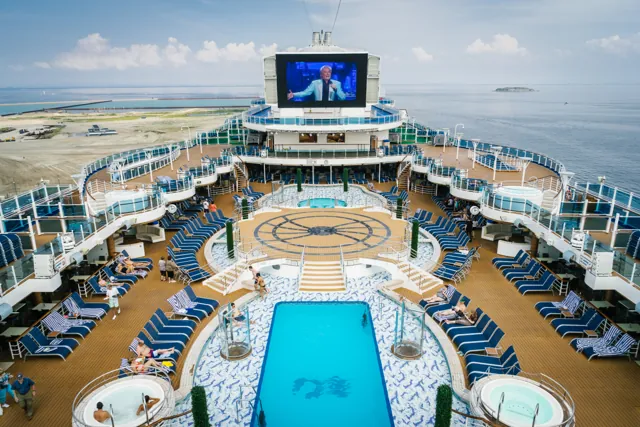
For example, an included Royal Caribbean sea day could mean breakfast at the buffet, time by the pool, lunch and dinner in complimentary venues such as the main dining room, and included evening entertainment. Choose water, tea or classic coffee from the included selection rather than a paid drinks package. Check the ship’s venue list and daily schedule: this illustrates how the fare can cover a full day, without promising that every restaurant, drink or activity is included.
On other lines, the included list can be different. Some may bundle gratuities or drinks into a fare; others may not. Even within one brand, ship, itinerary, booking market, cabin or promotional fare can affect what your confirmation shows. For a fair comparison, compare the same sailing and cabin and mark each inclusion as either confirmed in writing or not confirmed.
Which costs can remain when you skip paid extras?
Skipping packages does not remove taxes and fees from the booking total. Default automatic gratuities are a separate budget item: Royal Caribbean’s current FAQ describes them as optional and adjustable or removable at Guest Relations before disembarkation morning. Plan for the full default amount unless it is already included or prepaid. Treat the confirmation’s final total as your baseline and avoid counting an included charge twice.
You may also spend ashore even without booking a cruise-line excursion: local transport, meals, admissions or a taxi are choices to plan for, not costs the ship’s excursion desk controls. A sea-day budget may look different from a day spent in port. You can plan a low-spend day using included ship options, but don’t assume a particular activity, meal venue or destination facility is free on every sailing.
A two-adult worksheet for your trip total
The most useful number is the trip total for both travelers, not an isolated per-person fare. Start with charges that are certain, then put optional spending in its own column. For Royal Caribbean’s current US gratuity example, two guests in a non-suite room for seven billed days would add $259 if they had not prepaid; substitute your line’s rate and the chargeable days shown for your booking. Do not reuse that example as a generic cruise estimate.
Scroll sideways if you need to see more columns.
| Budget line | What to enter | Status |
|---|---|---|
| Cruise fare for two | Final fare on the same cabin and sailing | Confirm in booking |
| Taxes, fees and port expenses | Amount included in or added to the checkout total | Confirm in booking |
| Getting to the port | Airfare, parking or ground transport | Your travel plan |
| Hotel before/after sailing | Only if your itinerary requires it | Your travel plan |
| Daily gratuities | Rate × guests × billed days, less amount prepaid/included | Check line policy |
| Optional onboard/shore spending | Drinks, Wi-Fi, excursions and other purchases you choose | Set your own limit |
How to keep the trip comfortable without buying everything
Make a short list of what would genuinely improve the trip: perhaps staying in touch with home, one guided day ashore or a special meal. Check the separate price and current terms for each item, then compare with your budget. If a package bundles several things, include only the benefits you expect to use when comparing it; a package is not a saving if it prompts you to buy services you would otherwise skip.
A no-add-on plan can work when the fare’s included dining and entertainment fit your group, you are comfortable without the optional services, and transport and any gratuities are budgeted. Leave room for choices you make onboard. Your goal is a trip plan you are happy with, not a zero-dollar onboard account or a spending contest.
- Read the fare’s inclusion list for the exact sailing and market.
- Mark gratuities, taxes and port fees as included, prepaid or still due.
- List transport, parking and any pre/post-cruise hotel separately.
- Choose an optional-spending ceiling for both travelers.
- Recheck the final booking confirmation before departure.
Common questions
Can two adults enjoy a cruise without buying a drink package?
That depends on what drinks are included in the fare and what you prefer to drink. Royal Caribbean’s current fare guide names selected beverages as included, while its US terms exclude certain drinks. Check the ship-specific list and compare it with your normal choices; no package is required by the information reviewed here.
Are shore excursions required?
The Royal Caribbean US terms list shore excursions among items outside its cruise fare. Whether you book a paid excursion, explore independently or stay aboard is a personal itinerary choice. Check port access, timing and any local costs for your own sailing before deciding.
Sources [1]
Will my onboard bill be zero if I buy no add-ons?
Not necessarily. A line may post daily gratuities or purchase-related charges, and you might make other onboard purchases. Royal Caribbean’s current US policy lists a daily gratuity when not prepaid or included. Check your exact reservation and set aside the amount still due.
Sources and scope
Check the current terms for your ship, sailing and booking. This guide combines published source material with planning suggestions; it does not claim firsthand travel experience.
- United States Guest Terms and ConditionsSource checked 2026-10-19.
Royal Caribbean US fare definition, excluded items, taxes and fees treatment, and confirmation-dependent gratuity handling.
- What is Included in a Royal Caribbean Cruise?Source checked 2026-10-19.
Royal Caribbean’s named included dining, entertainment, activities and accommodation examples; its page says availability and pricing vary by ship and market.
- What is Royal Caribbean's service gratuities (tips) price and policy?Source checked 2026-10-19.
Current Royal Caribbean US gratuity rates and daily charge conditions used only as an explicitly labeled example.